
Overtime not showing up on your paycheck?
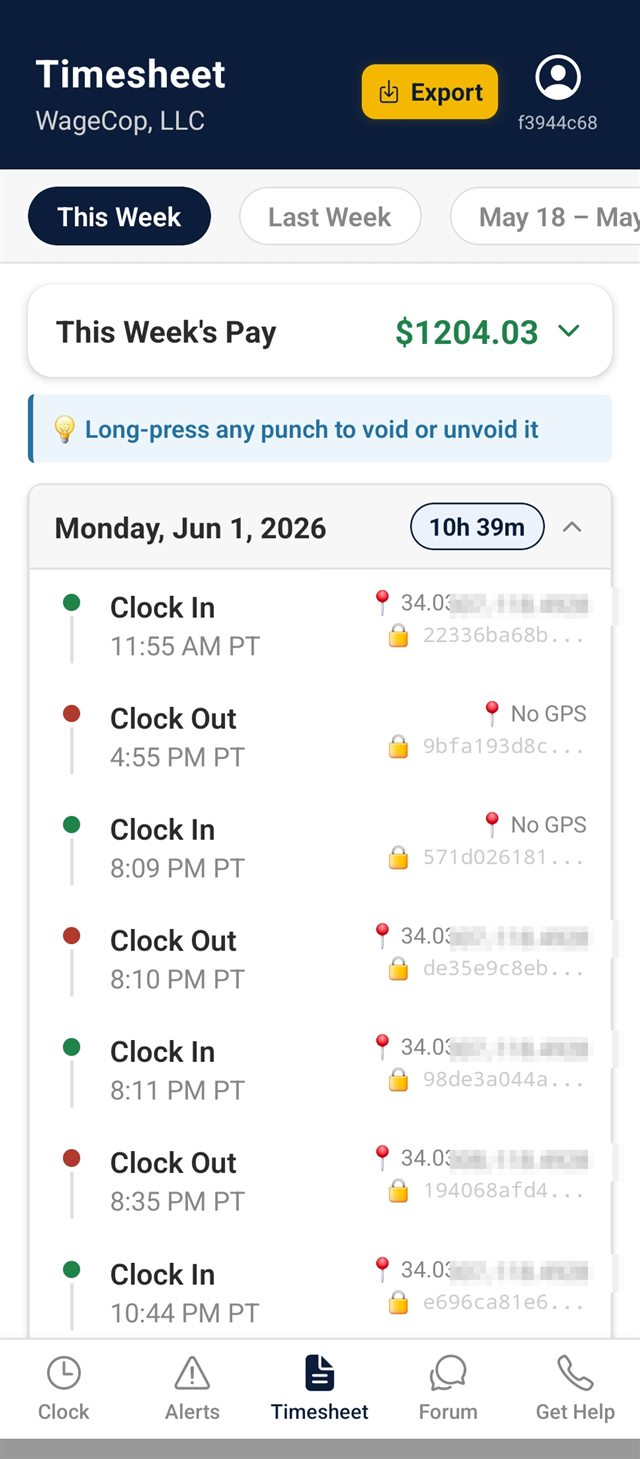
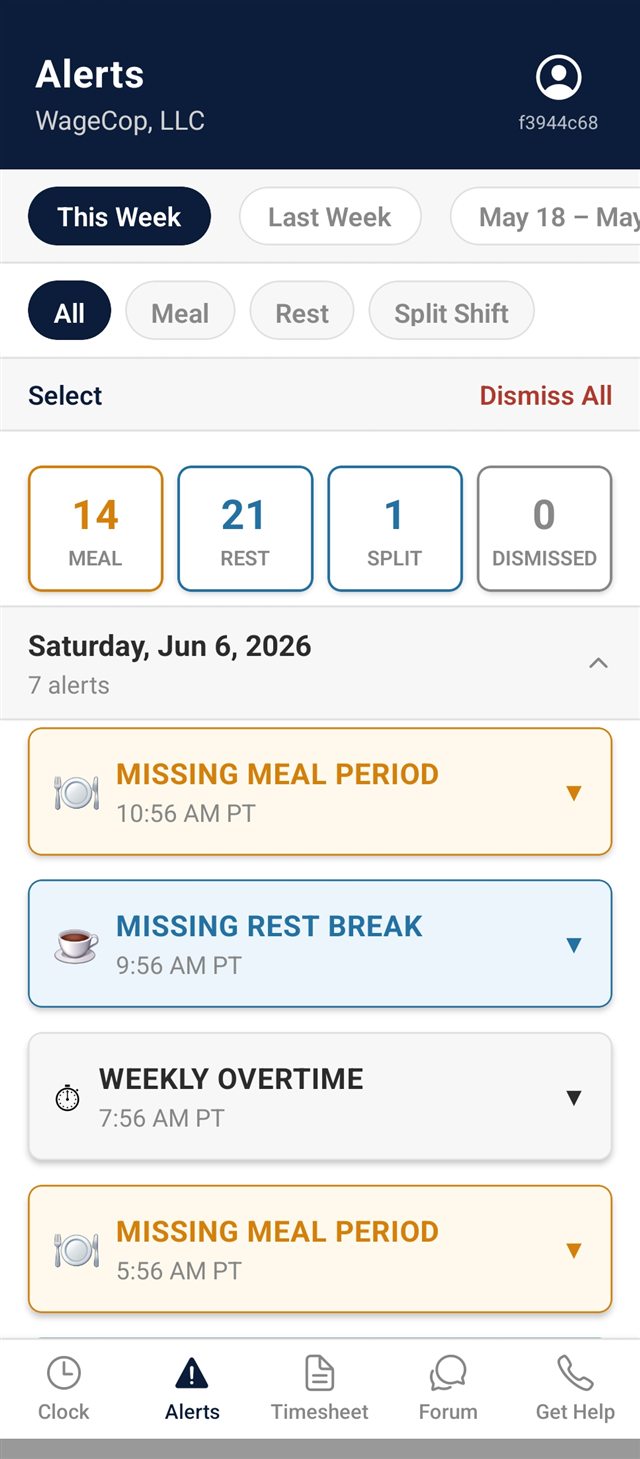
WageCop keeps your own GPS-stamped record of every shift and automatically flags possible overtime issues - daily OT after 8 hours, weekly OT after 40, double time - based on your actual hours, not a what-if.
Built by Eugene Lee, the California employment lawyer behind this blog. Free to download and use.


California Exemption Misclassification Calculator (2026)
Am I misclassified? California Exempt Employee Test
If your employer calls you “exempt” or “salaried” and pays you no overtime, this tool checks the three tests California uses — salary basis, salary level, and job duties. Answer honestly about what you actually do most of the time.
California Exemptions / Misclassification (2026)

Barring certain exceptions, California employers must pay their employees overtime and minimum wage and provide them with meal and rest breaks. But a category of workers — called “exempt” employees — are not entitled to any of these protections. When President Franklin Delano Roosevelt’s administration created overtime in 1938, the very same law carved out “bona fide executive, administrative, and professional” employees, on the theory that these white-collar workers were paid and empowered enough to look after themselves. California later adopted its own version of these exemptions, but made them far harder for employers to satisfy.
Here’s the catch: exempt status has nothing to do with your job title. Calling an employee a “manager,” or simply putting them on a salary, does not make them exempt. Under California law, an employee is exempt only if the employer can prove that all three of the following tests are met. Miss even one, and the employee has been "misclassified" as exempt, and is potentially owed overtime and more.
The Salary Basis Test
First, an exempt employee must be paid a true salary — a fixed, predetermined amount that does not change based on how many hours they work or how much work there happens to be. So if you are paid by the hour, paid by the piece or by the job, or your pay gets docked whenever business is slow, you fail the salary basis test and may be misclassified.
The Salary Level Test
Second, that salary has to clear a minimum dollar amount, set at twice the California minimum wage for full-time work. If your employer calls you a salaried, exempt manager but pays you, say, $55,000 a year, that classification is wrong. You are below the minimum salary level and are likely misclassified. This threshold rises almost every year along with the minimum wage. A paycheck from an earlier year would need to be measured against that year’s (lower) minimum wage.
The Duties Test
Third -- and this is where most misclassification happens -- the employee must actually spend more than half of their work time on genuinely exempt duties. California, unlike federal law, uses a strict “more than 50%” time test. So if you are an “assistant manager” who spends 60% of every shift ringing up customers, stocking shelves, mopping up a spill in aisle 4, cooking, or cleaning, i.e., the same work as the employees you supposedly supervise, you are not primarily engaged in management, and you are likely misclassified.
There are three main white-collar exemptions, and each has its own version of the duties test.
The Executive Exemption
An exempt executive is a true manager. Their main job is managing the business (or a recognized department of it), they customarily direct the work of at least two other full-time employees, and they have real authority over hiring and firing — or their recommendations on hiring, firing, and promotions are given particular weight. So a restaurant general manager who runs the shift, schedules and disciplines the crew, and spends most of the day actually managing may qualify. A “shift lead” or "working foreman" who mostly works the line alongside everyone else likely does not.
The Administrative Exemption
An exempt administrative employee performs office or non-manual work that keeps the business itself running. Think back office functions like human resources, finance, purchasing, compliance, quality control, accounts payable, or company strategy. An exempt administrative employee also regularly exercises discretion and independent judgment on matters of significance. The key line is between running the business and simply producing, providing or selling what the business offers. So an HR manager who shapes company policy may qualify; a customer-service representative following a script, or a salesperson working a quota, generally does not.
The Professional Exemption
An exempt professional is either (1) licensed by the State of California and practicing law, medicine, dentistry, optometry, architecture, engineering, teaching, or accounting; or (2) a “learned or artistic” professional whose work requires advanced knowledge gained through a prolonged, specialized course of study, or genuine originality in a recognized artistic field. So a licensed architect or a staff attorney may qualify. One important twist: registered nurses and pharmacists practicing their professions are not exempt as professionals — they are entitled to overtime unless they separately qualify as an executive or administrative employee.
(These three are the most common white-collar exemptions, but California has other, narrower ones too — such as computer software professionals, licensed physicians, and outside salespeople — each with its own separate salary and duties rules.)
Misclassification
When an employer labels an employee “exempt” but the employee does not actually meet all three tests, the employee has been misclassified. A misclassified employee can potentially be owed wages and penalties: unpaid overtime or double time, meal/rest break premiums, unpaid minimum wages, plus penalties and interest. For those who have left their jobs, they may also be owed “waiting time” (late last check) penalties. The numbers can add up quickly.
How To Find Out
If you're confused, you're not alone. Misclassification can be a tricky area of the law. Our calculator above walks you through all three tests — salary basis, salary level, and duties — and helps determine whether you *might* be misclassified. Note: there are many exceptions under California labor law that may apply to your particular situation. Always consult with a labor attorney before jumping to any conclusions.

